



Are Scented Candles Bad for You? the great debate ...
There is a question I’m asked often — sometimes directly, sometimes quietly, through careful reading between the lines:
“Are scented candles bad for you?”
It’s a good question. A thoughtful one. And it deserves a calm, honest answer rather than fear‑based headlines or sweeping claims.
At Parkminster, our approach has always been rooted in simple, elegant, low‑impact living. That means being willing to look closely at the things we bring into our homes — not with anxiety, but with curiosity, balance, and care.
This article isn’t here to persuade or alarm. It’s here to have the discussion.
Living Carefully — Not Fearfully
Almost everything we enjoy in life comes with trade‑offs. The food we eat, the air we breathe in cities, the cups of coffee that comfort us in the morning. Total purity is neither possible nor realistic — and striving for it often creates more stress than peace.
Instead, I believe in living carefully: making informed choices, understanding impacts, and accepting that moderation and intention matter more than perfection.
Candles are no exception.
A Brief Look at Candle Wax
Paraffin Wax
Paraffin wax has been the dominant candle wax for decades. It is derived from petroleum — a fossil fuel by‑product — and is valued for its low cost and strong scent throw.
When burned, paraffin wax can release small amounts of by‑products associated with combustion, including soot and volatile organic compounds (VOCs). In laboratory conditions, some of these compounds (such as benzene or toluene) are known to be harmful at high and prolonged levels of exposure.
In everyday candle use, the quantities released are typically very low. However, paraffin candles tend to produce more visible soot and particulate matter than plant‑based alternatives, particularly when wicks are too long or candles are burned in still, enclosed spaces.
For those concerned about indoor air quality, respiratory sensitivity, or environmental impact, this is often where discomfort begins.
Soy Wax
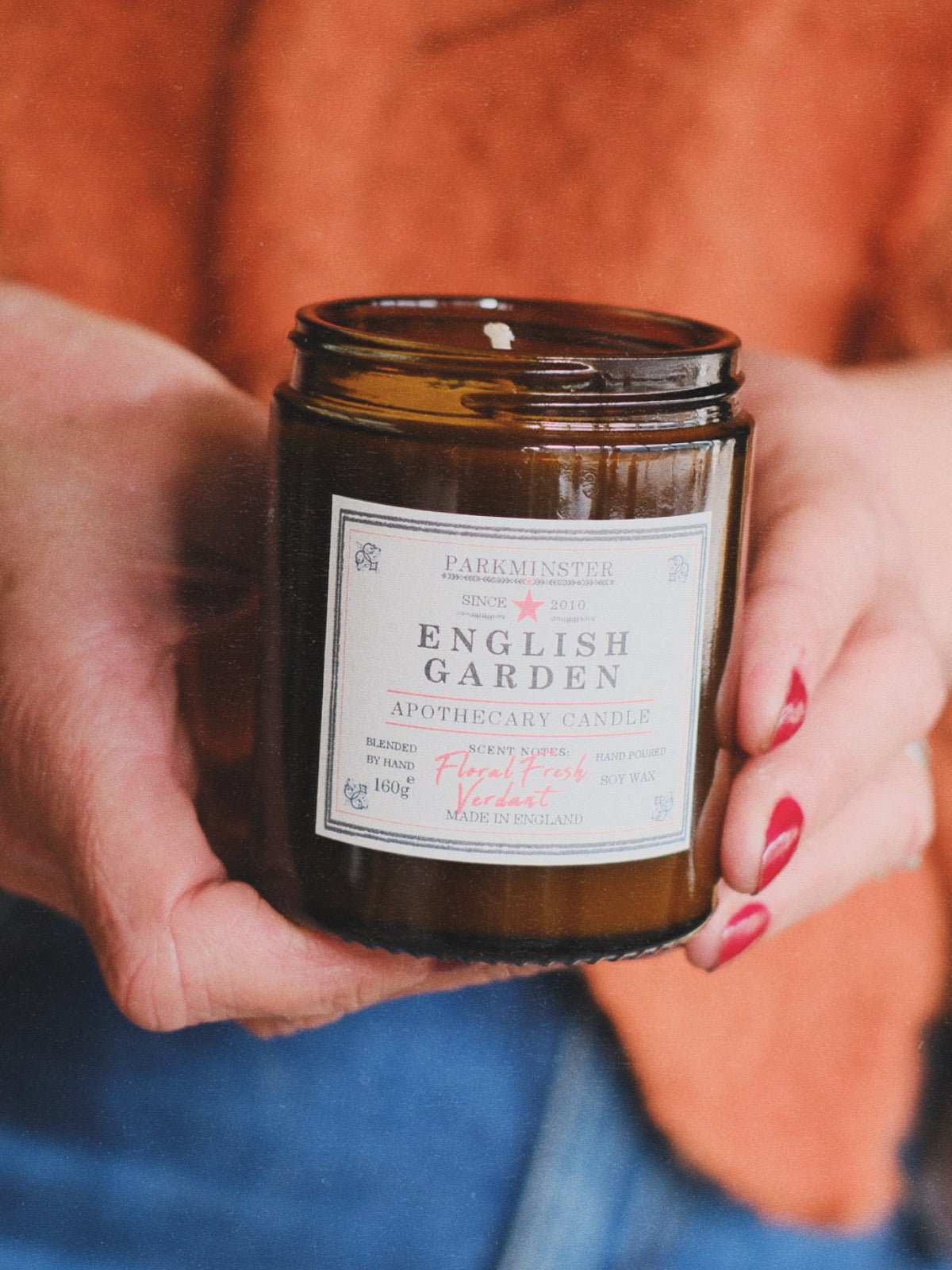
Soy wax is made from hydrogenated soybean oil — a renewable, plant‑grown resource. It is biodegradable, vegan, and burns at a lower temperature than paraffin.
From both scientific testing and practical experience, soy wax candles generally:
-
Produce less soot
-
Burn more slowly and evenly
-
Release fewer combustion by‑products
-
Have a lower overall environmental footprint
This does not mean soy candles are emission‑free. Any flame produces carbon dioxide and fine particles. But the type and quantity of emissions matter — and soy wax consistently performs more gently in this regard.
This is why we choose it.
Not because it is perfect — but because it is considered.
What About Scent?
Scent is often the most emotionally charged part of this conversation.
Essential Oils
Essential oils are natural plant extracts, and their name often implies inherent safety. However, many essential oils are not designed to be burned at the high temperatures of a candle flame.
When heated intensely, essential oils can break down, sometimes producing compounds that may irritate sensitive airways. Their lower flashpoints can also make them less stable and less predictable in candle use.
Natural does not always mean gentler — especially when fire is involved.
Fragrance Oils
Well‑formulated fragrance oils are designed specifically for candles. They are engineered to remain stable under heat and are used within strict safety guidelines set by international fragrance authorities.
When used responsibly and at appropriate concentrations, fragrance oils allow for consistent scent without the instability that can come from burning raw essential oils.
As with all things, sourcing and restraint of use matter.
So… Are Scented Candles Bad for You?
The honest answer is: not inherently — but context matters.
For most people, burning a well‑made candle in moderation, in a ventilated room, is unlikely to pose a meaningful health risk.
The factors that matter most are:
-
The type of wax
-
The quality and stability of the fragrance
-
How long and how often candles are burned
-
Whether the space allows fresh air to circulate
Soy wax candles made with care tend to sit at the gentler end of this spectrum.
Our Philosophy at Parkminster
We make candles for real homes and real lives.
Homes where people cook, open windows, share meals, light candles at dusk, and breathe deeply at the end of the day.
Our goal has never been to promise purity or perfection — only to offer something made slowly, thoughtfully, and with respect for both people and our planet.
A candle should add warmth, not worry.
A Quiet Conclusion
Living well is rarely about removing everything that carries risk. It’s about understanding, choosing consciously, and allowing room for beauty.
If you light a candle with intention — trimming the wick first, opening a window, enjoying the moment — you are already living the way I believe matters most.
Carefully. Gently. And with grace.
— Krystyna